
Lithium-Ion Battery Safety at Home: Charging, Storage and Disposal in Calgary
Lithium-ion batteries are everywhere. They power our phones, laptops, cordless tools, toys, power banks, e-cigarettes, e-bikes, e-scooters, lawn equipment and even some residential energy-storage systems.
Most of the time, we barely think about them. We plug something in, walk away and expect it to charge safely.
Usually, it does.
The problem begins when a battery is damaged, poorly manufactured, paired with the wrong charger, modified or exposed to extreme temperatures. When a lithium-ion battery fails, it can overheat, release toxic gases, catch fire or explode—and larger battery packs can create an extremely fast and intense fire.
This does not mean we need to be afraid of every rechargeable device in the house. It means we need to buy carefully, charge intelligently, recognize the warning signs and dispose of batteries properly.
Use Our Quick Navigation Guide Below To Jump To Any Part On Lithium-Ion Battery Safety at Home in Calgary: 
- What Is a Lithium-Ion Battery?
- Why Lithium-Ion Batteries Can Catch Fire
- Buy Batteries and Chargers Carefully
- Pay Special Attention to Battery-Powered Toys
- Charge Devices Where You Can See Them
- Calgary Winters Require Extra Care
- Store Batteries Properly
- Know the Warning Signs
- What to Do If a Battery Catches Fire
- Give E-Bikes, E-Scooters and Mobility Devices More Space
- Store Used Batteries Safely Before Recycling
- Where to Dispose of Batteries in Calgary
- Lithium-Ion Battery Safety Checklist
- Charge Safely. Store Carefully. Dispose of Batteries Properly.
What Is a Lithium-Ion Battery?
A lithium-ion battery is a rechargeable battery designed to store a significant amount of energy in a relatively small and lightweight package. Some are removable, such as the battery on a cordless drill. Others are built directly into phones, tablets, vapes and other devices.
Common products powered by lithium-ion batteries include:
- Phones, tablets, laptops, smartwatches and e-readers
- Power banks, wireless headphones, speakers and gaming controllers
- Cameras, toys, baby monitors and remote-controlled products
- Cordless drills, saws, vacuums, lawn mowers and snowblowers
- Vapes and e-cigarettes
- E-bikes, e-scooters, hoverboards and some mobility devices
- Residential energy-storage systems
Lithium-ion batteries are different from single-use lithium batteries, including certain coin-cell and household batteries. Both types must be stored and disposed of carefully, but this article focuses primarily on rechargeable lithium-ion and lithium-polymer batteries.
Why Lithium-Ion Batteries Can Catch Fire 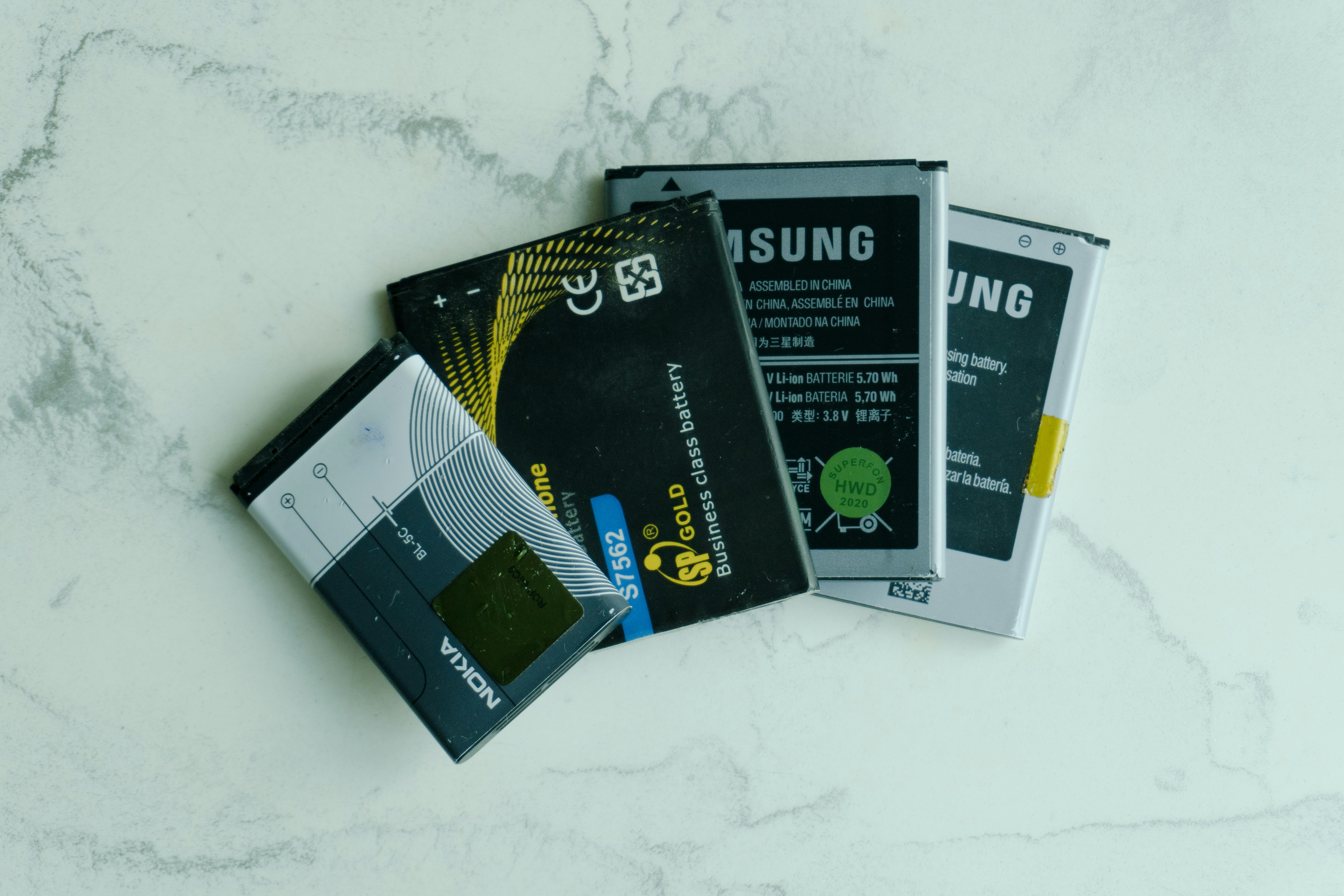
Lithium-ion batteries pack a great deal of energy into a small space. If something goes wrong inside the battery, that energy can be released very quickly.
A battery can fail because of:
- Physical damage
- Overcharging
- An incompatible charger
- Extreme heat or cold
- Improper storage
- Manufacturing defects
- Unauthorized modifications
- Internal short circuits
A damaged or defective battery may begin heating itself through a process known as thermal runaway. As the temperature increases, the battery can release flammable and toxic gases. Heat can then spread from one cell to the next, creating a chain reaction.
According to the Calgary Fire Department, you may have less than one minute to escape after the first sign of a serious lithium-ion battery problem.
That is why prevention matters. Once one of these fires gets going, it can become dangerous very quickly.
Calgary Lithium Battery Safety Information
Buy Batteries and Chargers Carefully
Use the battery and charger designed for the device. If you need a replacement, start with the original manufacturer or a reputable retailer—particularly for e-bikes, e-scooters, power tools, lawn equipment and other high-powered products.
Look for recognized Canadian certification marks such as CSA, cUL or cETL. Certification cannot guarantee that a product will never fail, but it does indicate that the product has been evaluated against established safety standards.
Be careful with unusually cheap replacement batteries and chargers from unknown online sellers. A bargain battery is not much of a bargain if it damages the device, starts a fire or turns your garage into a very expensive lesson.
Possible warning signs of a counterfeit or substandard product include:
- Spelling mistakes
- Crooked or poorly printed labels
- Missing certification information
- Unclear manufacturer details
- Voltage or current specifications that differ from the original product
- A price far below comparable products
Never assume that a charger is safe simply because the plug fits. The wrong voltage, current or charging system can damage the battery and create a serious fire hazard.
Pay Special Attention to Battery-Powered Toys
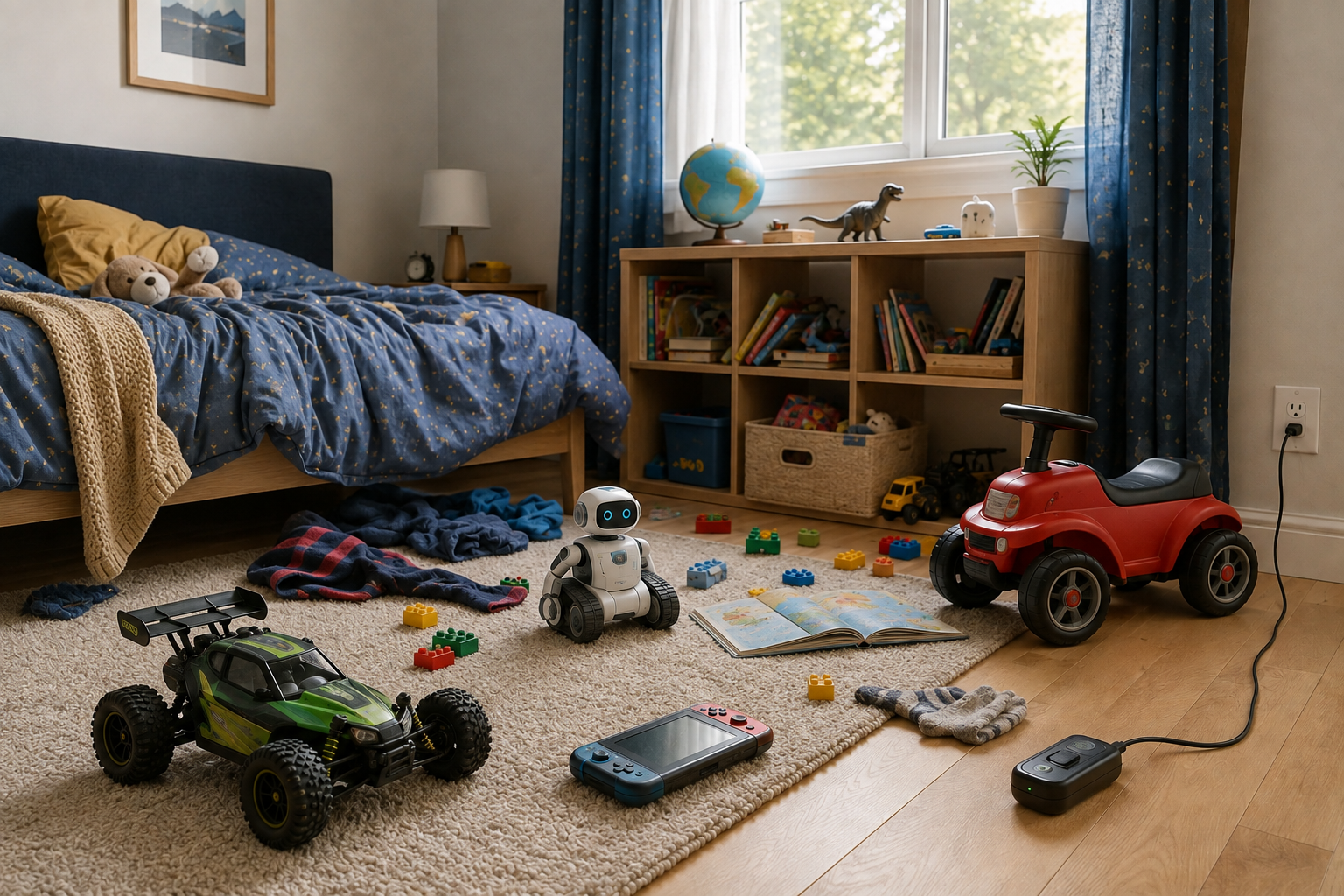
It is easy to assume that a children’s toy must be safe simply because it was designed for kids. A properly manufactured toy should be safe when it is used, charged and stored according to its instructions—but that does not make its rechargeable battery indestructible.
Many modern toys contain lithium-ion batteries, including:
- Remote-controlled cars, trucks and aircraft
- Drones
- Ride-on vehicles
- Electronic learning devices
- Handheld gaming systems
- Rechargeable cameras and watches
- Robots and interactive toys
- Light-up toys and portable speakers
These toys are often dropped, crashed, stepped on, thrown into storage bins or left untouched for months. A battery or charging port may be damaged even when the outside of the toy still looks fine.
Do not charge battery-powered toys in a child’s bedroom or playroom where they may go unnoticed. Charge them on a hard, clear surface in an area where an adult can check them. Keep them off beds, carpets, couches and piles of clothing, and never leave them charging inside a toy box, drawer, backpack or storage bin.
Once charging is complete, unplug the toy and put the charger away. Children should not be responsible for charging toys containing larger lithium-ion batteries without adult supervision.
Check rechargeable toys regularly and stop using one if:
- The toy or battery becomes unusually hot
- The battery compartment is swollen or distorted
- The charging port or cord is damaged
- The toy develops an unusual smell
- The battery drains much faster than it once did
- The toy has been badly crashed, crushed or exposed to water
- You hear hissing, popping or crackling
- You see smoke or discolouration
Pay particular attention to inexpensive toys purchased from unknown online sellers. Confirm that the product and charger carry recognized certification, include clear instructions and identify the manufacturer. If a replacement charger is needed, use one approved for that specific toy—not whichever cable happens to fit.
Before placing a rechargeable toy into long-term storage, inspect it and follow the manufacturer’s battery instructions. Do not leave a damaged toy sitting under a bed, at the bottom of a toy box or forgotten in a closet. “Not being used” does not automatically mean “not a risk.”
A quick check of the rechargeable toys in your child’s room may uncover a damaged cord, swollen battery or forgotten device that should no longer be there.
Recycle Electronic Toys and Devices in Calgary
Charge Devices Where You Can See Them .jpg)
Where you charge a device matters.
Place it on a hard, stable surface with enough space for air to circulate. Keep it away from beds, couches, pillows, blankets, paper, cardboard, curtains, paint, fuel and anything else that can trap heat or burn easily.
A few simple charging habits can make a major difference:
- Use the charger supplied with the product or an approved compatible replacement
- Follow the manufacturer’s charging instructions
- Unplug the device once charging is complete
- Never charge a device under a pillow or on upholstered furniture
- Do not charge inside a closed container
- Replace damaged, crushed or frayed cords
- Keep charging devices away from doorways, hallways and stairs
- Do not leave batteries charging overnight
- Do not leave higher-powered batteries charging unattended
Charging your phone on the bed may be convenient. It is still a poor place to put a heat-producing electrical device surrounded by fabric.
Check devices occasionally while they charge. Some warmth may be normal, but excessive heat, swelling, an unusual smell, strange noises or smoke are not.
Calgary Winters Require Extra Care
Calgary weather creates another issue: temperature.
Do not attempt to charge a frozen lithium-ion battery. If a removable battery has been stored in a cold garage, shed or vehicle, bring it into a dry, suitable location and allow it to reach room temperature naturally before charging.
Do not place it beside a heater, fireplace or heat register, and do not use a hair dryer or direct sunlight to speed things up.
Batteries should not be left for extended periods inside a very hot or cold vehicle. Extreme temperatures can damage the battery, and condensation may form when a cold battery is brought indoors.
Let the battery reach room temperature, make sure it is dry and follow the manufacturer’s temperature limits before connecting it to a charger.
Store Batteries Properly
Store batteries in a cool, dry location away from direct sunlight, heating equipment, fuel, household chemicals and combustible materials.
Protect batteries from being:
- Dropped
- Crushed
- Punctured
- Bent
- Buried beneath heavy objects
- Exposed to moisture or extreme temperatures
For batteries that will not be used for an extended period, follow the manufacturer’s storage and charging instructions for that specific product.
Loose batteries require extra care. Exposed terminals can make contact with keys, coins, tools, other batteries or metal shelving and create a short circuit.
Keep unused batteries in their original packaging or inside a protective, non-metal container. Batteries should also be stored out of the reach and sight of children.
Know the Warning Signs
Stop using or charging a battery immediately if you notice:
- Unusual or excessive heat
- Swelling or bulging
- Dents or changes in shape
- Leaking or corrosion
- A cracked case or torn wrapper
- Punctures
- Discolouration
- A strong or unusual smell
- Hissing, popping or crackling
- White or grey smoke
Do not puncture, squeeze, open, modify or attempt to repair a damaged battery. Do not put it back on the charger to “see what happens.” You already have your answer: something is wrong.
If a battery is smoking, burning, rapidly heating or releasing gas, move everyone away and call 9-1-1 from a safe location.
The City advises that a problem device may be moved away from combustible materials only when it is safe to do so. Never attempt to handle a battery that is already smoking, burning, extremely hot, hissing or rapidly swelling.
Your first responsibility is getting people out safely—not saving the device.
What to Do If a Battery Catches Fire
Lithium-ion battery fires burn extremely hot, produce toxic gases and may reignite after appearing to be extinguished.
Leave the area immediately if you see smoke or fire or hear unusual sounds coming from the battery. Call 9-1-1 from a safe location and tell the operator that a lithium-ion battery is involved.
Do not attempt to fight a fire involving a large battery pack, including one used in an e-bike or e-scooter. Leave the home or area immediately, close doors behind you if possible, remain outside and call 9-1-1.
Never delay your escape to retrieve, unplug or move the device.
Working smoke alarms and a practised home escape plan are especially important because a lithium-ion battery fire can grow with very little warning.
Learn What to Do During a Battery Fire
Give E-Bikes, E-Scooters and Mobility Devices More Space
Larger battery systems contain multiple cells and can create a much more serious incident than a phone or small tool battery.
Use only the original battery and charger or replacements approved by the manufacturer. Never modify a battery pack, rebuild a damaged pack, add an external battery to increase range or combine cells from different products.
When purchasing these products, look for compliance with applicable Canadian safety standards for personal e-mobility and e-bike electrical systems.
Charge these devices on a stable surface away from exits, stairs, sleeping areas and combustible materials.
Do not charge a device that has been crashed, crushed, submerged or otherwise damaged until it has been assessed by the manufacturer or a qualified service provider. The same applies to a wet battery or charging connection.
Calgary E-Bike and E-Scooter Battery Disposal
Store Used Batteries Safely Before Recycling .jpg)
A battery does not become harmless simply because it is “dead.” It may still contain enough energy to spark or start a fire.
Never throw loose batteries into a drawer, bucket or box where their terminals can touch one another or come into contact with metal.
The City of Calgary recommends three ways to prepare household batteries for recycling:
- Keep them in their original packaging.
- Cover exposed terminals with clear packing tape, duct tape or electrical tape while leaving the battery chemistry label visible.
- Place each battery inside a separate clear, sealed bag.
Keep new and used batteries separate. Store used batteries in a cool, dry location away from sunlight and children, and recycle them regularly instead of allowing a large collection to build up.
How to Prepare Household Batteries for Disposal
Where to Dispose of Batteries in Calgary
Batteries do not belong in Calgary’s blue, green or black carts.
When batteries are crushed by collection trucks or processing equipment, they can start fires at recycling facilities, composting operations and landfills. The City reported more than 50 battery-related fires at Calgary landfills and recycling facilities in 2025.
Where the battery goes depends on what you have:
- Loose household batteries: Take accepted batteries to a participating retailer, a designated household hazardous-waste drop-off location or a City Eco Centre.
- Devices with built-in batteries: Take the entire phone, tablet, laptop, vape, toy or other accepted electronic device to a City Eco Centre. Fire-station hazardous-waste depots accept batteries, but not electronic devices.
- Damaged household batteries: Swollen, leaking, corroded, burned or otherwise damaged household batteries are accepted only at City Eco Centres. Hand them directly to staff and explain their condition.
- E-bike and e-scooter batteries: These are not accepted through the City of Calgary’s household battery program. Return them to the retailer or use an approved e-mobility battery drop-off location.
- Electric-vehicle batteries: Contact the dealership or manufacturer for proper handling and disposal instructions. The City does not accept EV batteries.
Before transporting a damaged battery, confirm the receiving facility’s instructions.
Never place a hot, smoking, hissing or actively failing battery in your vehicle. Move away and call 9-1-1.
Find Safe Battery Disposal Options Find a Calgary Eco Centre Search What Goes Where
Lithium-Ion Battery Safety Checklist
Take a quick look around your home and ask:
- Are our batteries, chargers and devices from trusted sources?
- Does every charger match the battery and device?
- Are devices charged on hard surfaces away from bedding and combustible materials?
- Is charging monitored and stopped when complete?
- Are charging devices kept away from doorways, hallways and stairs?
- Are cold batteries allowed to reach room temperature before charging?
- Are rechargeable toys inspected for damage and charged where an adult can see them?
- Are batteries stored away from heat, fuel and direct sunlight?
- Have damaged, swollen, leaking or unusually hot batteries been removed from use?
- Are the terminals on used batteries protected?
- Are all batteries kept out of household waste and recycling carts?
- Does everyone in the home know to leave and call 9-1-1 if a battery begins smoking or burning?
Charge Safely. Store Carefully. Dispose of Batteries Properly.
Lithium-ion batteries are part of modern life, and the overwhelming majority can be used safely for years.
The important habits are straightforward: buy reputable products, use the correct charger, charge devices where you can see them, keep batteries away from exits and combustible materials, stop using anything damaged and use Calgary’s proper disposal options.
Take five minutes today to check the chargers and rechargeable devices around your home—particularly in bedrooms, children’s rooms, the garage and areas near an exit.
Moving one charger, replacing one damaged cord or properly disposing of one questionable battery is a small job. It is also considerably easier than dealing with a fire.
For more advice about safely storing tools, fuels and hazardous materials, read Part 2 of the series: Garage Fire Safety in Calgary: Fuel, Tools and Hazardous Materials.
This is Part 3 of Calgary Safe at Home: A Fire Safety Series, a practical series focused on preventing fires, protecting the people in your home and being prepared when something goes wrong.

Small Battery Habits Can Help Prevent a Serious Fire
Lithium-ion batteries are part of everyday life, powering everything from phones and laptops to tools, toys, e-bikes and lawn equipment. Most are used safely every day, but damaged batteries, incompatible chargers, improper storage and extreme temperatures can create a serious fire risk. Knowing what to look for and following a few simple safety habits can make a big difference.
Through our Calgary Safe at Home series, I share practical advice to help Calgary homeowners prevent fires and protect the people inside their homes. From charging and storing lithium-ion batteries safely to garage fire prevention, seasonal maintenance and emergency preparedness, my goal is to provide useful information that helps you protect your family and one of your biggest investments.
Dusko Sremac – Calgary & Area REALTOR® | Team Lead, REPYYC
Cell: 403-988-0033 | Email: dusko@repyyc.com
```
Posted by Cody Tritter onEnjoy this blog post? Click here to subscribe for updates
Leave A Comment