
REALTORS® and Radon: Why This Conversation Shouldn’t End at Possession
If you’re a REALTOR®, I want you to take a few minutes and read this.
I lead a team of more than 30 real estate agents at Real Estate Partners, and one of the things that matters to me as a team leader is education.
Of course we train on contracts, negotiation, pricing, market knowledge, lead conversion and how to properly represent our clients.
But I think our responsibility goes further than that.
I want the agents on our team understanding the things that can affect a client long after the SOLD sign comes down.
Home safety. Carbon monoxide. Maintenance. Changes happening in the communities we work in. And issues inside a home that people may never think about until someone takes the time to tell them.
Radon is one of those issues.
And I think more REALTORS® should be talking about it.
This isn’t about turning real estate agents into scientists, doctors or radon mitigation specialists.
It’s about understanding enough to recognize an important issue, give our clients credible information and point them toward the right resources.
Because sometimes being a good REALTOR® means telling a client something they didn’t know they needed to know.
Why Radon Deserves Our Attention
Most of us got into real estate to help people buy and sell homes.
We probably didn’t think that somewhere along the way, sharing one piece of information with a client could potentially protect their health — or even save their life.
Radon is one of those pieces of information.
Radon is a naturally occurring radioactive gas created by the breakdown of uranium in the ground.
You can’t see it. You can’t smell it.
And you can’t walk through a home and know whether the radon level is elevated.
You won’t spot it during a showing, a home inspection or a final walkthrough.
The only way to know is to test.
Health Canada identifies long-term radon exposure as the leading cause of lung cancer among non-smokers in Canada.
That should get our attention. Not because we need to scare people.
Because we have an opportunity to educate them.
Health Canada Is Speaking Directly to REALTORS®
This isn’t me dreaming up another item to add to an already long REALTOR® checklist.
Health Canada has produced a publication specifically for the real estate industry called Radon in Real Estate.
The message is pretty clear: REALTORS® are trusted sources of information for buyers and sellers, and we can help by educating clients about radon and encouraging proper testing.
I think that’s worth paying attention to.
Health Canada has already done the heavy lifting. They’ve created the information, educational resources and guidance.
We just need to make sure it gets into the hands of the people we work with.
If you work in residential real estate, I’d encourage you to read it.
Download it. Save it. Share it with your clients.
Read the Full Health Canada Radon in Real Estate Guide
We’ve included the full Health Canada publication below so REALTORS®, buyers and sellers can read the original guidance directly from this page.
Why Radon Testing Doesn’t Fit Neatly Into a Typical Home Purchase
This is probably one of the most important things REALTORS® need to understand about radon.
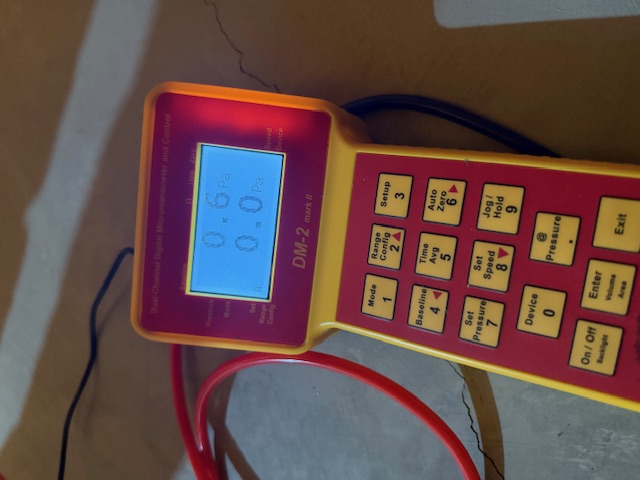
A proper long-term test takes time.
Health Canada recommends testing for a minimum of three months because radon levels can change considerably over time.
That means this is not something we should try to squeeze into a normal five-day or ten-day financing and inspection condition.
Health Canada does not recommend relying on a radon test conducted during the normal real estate transaction period.
And honestly, that makes sense.
We don’t need to force a three-month health measurement into a transaction that may be firm in a week.
We need to educate the client about the right time to test.
For sellers, that can mean testing well before the property is listed.
For buyers, it usually means completing a proper long-term test after they move in.
Sellers: Test Before You Sell
If you’re thinking about selling your home, don’t wait until somebody asks about radon during negotiations.
Test early.
Most homes will have radon levels below Health Canada’s guideline, but the only way to know where your home stands is to actually measure it.
If elevated levels are found, testing early gives the homeowner time to look into mitigation before the property reaches the market.
That’s a much better situation than trying to deal with an unexpected issue halfway through a transaction.
And there’s another side to it.
If a proper long-term test shows a low radon level, Health Canada notes that sellers may be able to include that information as a positive feature of the home.
Information is better than guessing. In real estate, preparation usually beats panic.
Buyers: Test After You Buy
This is where I think REALTORS® have an incredibly easy opportunity to do a better job.
We already give our buyers a mountain of information after possession.
- Change the locks.
- Set up utilities.
- Update the insurance.
- Check the furnace filter.
- Find the water shutoff.
- Forward the mail.
Let’s add one more line:
Once you’re settled in, complete a long-term radon test.
Health Canada specifically encourages homeowners to test after they have moved into the property.
And this is where ongoing communication matters.
Our relationship with a client shouldn’t end at possession.
A follow-up a few months later can be as simple as:
“Did you ever get that radon test running?”
That’s not difficult.
But it could be one of the more important follow-up questions we ask.
I Tested My Own Calgary Home for More Than a Year
This isn’t theoretical for me.
I tested my own Calgary home for more than a year, including different areas and levels of the house.
It changed the way I look at radon.
You cannot reliably predict the radon level of a home because of its age, price point, neighbourhood or how nice the basement looks.
A newer home isn’t automatically safe. An older home isn’t automatically high.
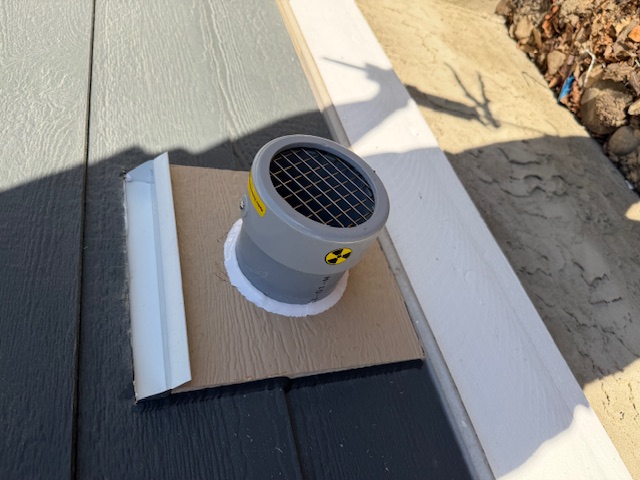
And seeing a radon rough-in doesn’t necessarily mean an active mitigation system is operating.
You have to test the actual home.
That experience is one of the reasons I think this conversation deserves more attention in real estate.
A Pretty Good Closing Gift, Actually
Real estate agents give all kinds of closing gifts.
Wine. Restaurant cards. Cutting boards. Gift baskets.
All good.
But Health Canada specifically points out that some real estate professionals provide buyers with long-term radon test kits or Health Canada radon information as part of their client gift.
I actually love that idea.
You don’t have to ditch the champagne. Just give the radon kit a seat in the basket.
It gives the homeowner something useful, it starts the conversation, and it makes it a whole lot more likely that the test actually gets done.
What About Radon Holdbacks?
Health Canada’s real estate publication also points out that some transactions have used a holdback to allow proper radon testing to take place after the transaction is complete.
If elevated radon is later found, the holdback may provide funds that can be used toward mitigation.
I’m mentioning that because it’s in Health Canada’s real estate guidance — not because I think every REALTOR® should start dropping radon holdbacks into every purchase contract tomorrow morning.
We shouldn’t.
Holdbacks, trust conditions and contract language have legal and brokerage implications and need to be handled properly for the individual transaction.
The bigger lesson is this:
Radon can be dealt with.
The important thing is knowing the level.
And REALTORS® can help make sure the testing actually happens.
REALTORS®: This Is Your Call to Action
You probably never thought becoming a real estate agent might put you in a position to help save someone’s life.
But when it comes to radon, it just might.
I lead a team of more than 30 real estate agents, and this type of education is important to me.
We obviously spend a lot of time training agents on contracts, negotiation, market knowledge, pricing, lead conversion and how to properly represent clients.
We should. But I also want our agents understanding the things that affect people after the SOLD sign comes down.
- Radon
- Carbon monoxide
- Home maintenance
- Safety
The things that aren’t necessarily exciting Instagram content but actually matter when somebody lives in the home.
To me, that is part of being a well-rounded real estate professional.
So here’s what I think we can all do:
- Educate yourself first. Read the Health Canada information and understand the basics.
- Talk about radon with your clients. Don’t assume somebody else already has.
- Encourage sellers to test before listing. Give them time to deal with the result properly.
- Encourage buyers to conduct a long-term test after possession.
- Give clients credible information. Health Canada has already done the heavy lifting for us.
- Consider including a long-term radon test kit in your closing gift.
- Follow up. Don’t assume handing somebody a brochure means the test happened.
None of that requires us to diagnose a home. None of it requires us to become radon mitigation experts.
It just requires us to care enough to bring the subject up.
That’s the kind of real estate education I want happening on our team.
And I’d love to see more of it happening across our industry.
.png)
What Happens If the Radon Level Is High?
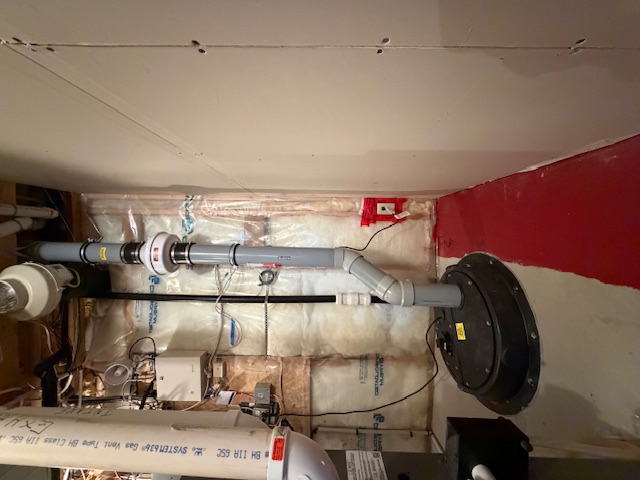
Finding elevated radon doesn’t mean a home is ruined.
Radon can be mitigated.
Health Canada’s guideline for indoor air is 200 Bq/m³.
If a long-term test shows levels above that guideline, homeowners should look into appropriate mitigation.
Professional radon mitigation typically involves reducing the amount of radon entering the living space and safely venting it outside.
The important part is knowing the level in the first place.
You can’t fix something you haven’t measured.
Want to Understand Radon in More Detail?
We’ve already put together a much deeper homeowner guide covering radon, testing, mitigation, Health Canada’s guideline and what Calgary homeowners should know.
That article goes deeper into what radon is, how it enters a home, how long-term testing works and what homeowners can do if their results come back elevated.
We’ve also written about another important health connection: smoking, indoor air quality and radon exposure.
Radon Resources for REALTORS® and Homeowners
Health Canada Resources
REPYYC Radon & Home Safety Resources
Real Estate Is More Than the Transaction
There are plenty of things we are required to do as REALTORS®.
And then there are things we do simply because they are the right thing to do for the people who trust us.
I put radon education in that second category.
Nobody needs REALTORS® pretending to be scientists, doctors or mitigation contractors.
Our role is much simpler.
Know the issue.
Share credible information.
Encourage people to test.
Then let the qualified professionals take it from there.
If more of us make radon part of the normal conversation around buying, selling and owning a home, more families will understand what’s happening inside the place where they spend most of their time.
And that is a very worthwhile outcome.

About Dusko Sremac
Dusko Sremac leads Real Estate Partners, a Calgary real estate team of more than 30 agents.
For Dusko, leadership goes beyond helping agents sell more homes. A big part of building a strong real estate team is making sure agents are continually learning about the issues that affect the people they represent — including things that may never appear on an MLS sheet or become obvious during a showing.
Home safety, radon, carbon monoxide, maintenance, neighbourhood changes and the realities of homeownership all matter because clients rely on their REALTOR® for more than access to a property.
After testing his own Calgary home for more than a year, radon became one of the issues Dusko believes both homeowners and real estate professionals should better understand.
His role isn’t to replace a radon professional. It’s to make sure clients — and the agents he leads — know the issue exists, have access to credible information and understand when it’s time to bring in the right expert.
Because good real estate advice shouldn’t stop at possession.
Dusko Sremac – Calgary REALTOR®
Real Estate Partners | REPYYC
Enjoy this blog post? Click here to subscribe for updates
Leave A Comment